


 |
Kunar Utility GloveThe Kunar Utility Glove is built from durable cowhide leather with reinforced panels in high-wear areas, giving you protection for digging, hauling, pruning, and handling rough materials. The elastic cuff helps keep debris out while adding insulation for cooler days, making these a versatile option for year-round garden work. Whether you’re moving soil, pulling stubborn weeds, or working with hand tools, these gloves offer a balance of durability and flexibility that makes them easy to reach for every time you head outside. |
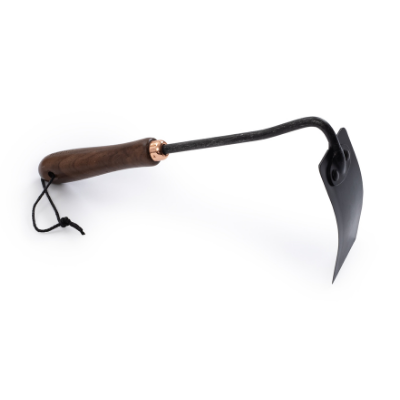 |
How to use a square hoeThe square hoe will quickly become one of the most used tools in your kit. It’s a wonderful trencher, hiller, and soil-patter. Use the square hoe to dig a long trench (where seeds or transplants will be planted) in a row-like fashion. Hill up the soil over the seeds or around the seedling roots. Then use the flat side of the hoe to gently pat the soil down around the plant, stabilizing the seeds and roots. Potato plants need to be continuously covered by a hill of soil throughout the season. When tending to potato crops, use the edge of the hoe to scoop and hill soil in a mound over the plant. The square hoe is an excellent tool for moving soil to maintain garden bed borders and rows. |
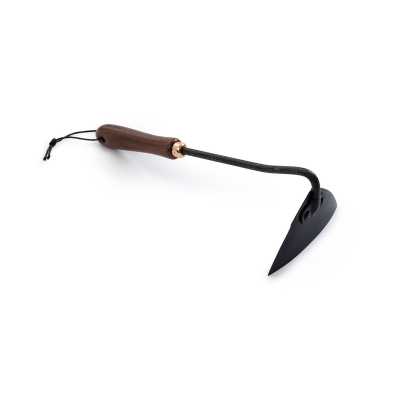 |
How to use a triangle hoeJust like a square hoe, the triangle hoe has a variety of uses for all types of gardeners. This is a great tool to turn to when you need to do precision planting and weeding. The sharp points make it ideal for sowing seeds in small narrow trenches close to each other. They are also excellent at uprooting stubborn weeds and patches of grass growing in beds. The triangle shape is ideal when working in tight spaces where you don’t want to disturb the soil or roots of nearby plants. |

|
How to use a prunerPruners provide scissor-like cutting for tender green-tissued stems such as flower stalks. These also perform well on denser woody-tissued stems such as rosemary, lavender, and sage. They cut clean and close without crushing plant tissue, which helps prevent disease from infesting damaged areas after a fresh pruning. |

|
How to use a garden scoopEvery gardener needs a lovely little scoop shovel like this. It’s perfect for scooping soil into potted plants and moving fertilizer from the bag into the soil. A nice deep scoop delivers the right amount of material (and keeps soil and fertilizer from spilling everywhere). |

|
How to use gardening scissorsA good pair of Gardening Scissors are ideal for harvesting herbs, snipping flower stems, and any other trimming. Its ambidextrous grip and wide handles accommodate any size of hand, gloved or otherwise - and its elegant but utilitarian appearance makes it a delightful choice for all gardeners. Plus, it’s available in two different blade sizes to get the job done right. |

|
How to use shearsGardening Shears have similar uses to gardening scissors - but they pack a little extra muscle for woodier stems or larger herb bundles. Plus, these shears come in two different configurations (one for trimming and one for pruning), with precision details that make each job a breeze. |
 |
Japanese Nata HatchetFor gardeners who tackle thicker branches, woody stems, or seasonal cleanup, the Japanese Nata Hatchet offers both power and precision. Inspired by traditional Japanese tools, it features a thick full-tang steel blade designed for controlled chopping, trimming, and splitting small wood. Its longer edge and solid weight make it especially useful for pruning limbs, clearing brush, or preparing garden beds at the start of the season. The walnut handle helps absorb vibration for comfortable use, while the tool’s hybrid knife-meets-hatchet design makes it a versatile option for heavier garden tasks or outdoor projects. |

|
How to use a hori horiJapanese for “dig dig”, the Hori Hori Ultimate and Hori Hori Classic should be at-the-ready every day in the garden. From a serrated blade that breaks open bags to a hook that cuts twine and opens bottles, and finally, to a blade point that effortlessly digs in the soil, it's a tool in near constant use. Use the hori hori to excavate plants without damaging roots when transplanting. Use the measurement markings to dig a hole at the right depth for planting and uproot weeds in extremely tight spaces without damaging surrounding roots. You’ll never run out of uses for this priceless tool. |
 |
How to use a dandelion weeding forkThe strong taproots of dandelions and similarly growing plants are famously stubborn. The notched blade of the weeding fork penetrates the soil and leverages up tap roots. This tool is a lifesaver when dealing with strong plants, whether you're removing them from unwanted places in lawns or foraging in the wild for medicinal roots. |
 |
How to use a Folding ShovelAside from digging holes for planting, the folding shovel comes in handy more often than you’d think. It breaks up root clumps or tough weeds, locks at a 90° angle for easy trenching or hoeing, and is sturdy enough to lean on in tough soil. The shovel head also folds flat against the handle for easy storage in your shed. |
Gardening Accessories
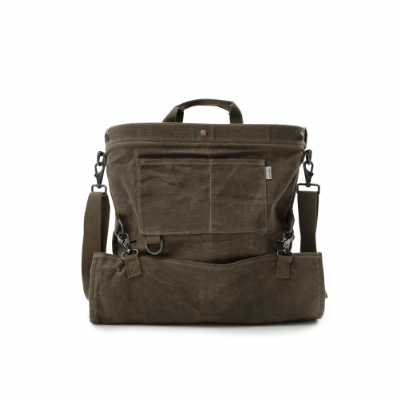 |
How to use a harvesting bagGather herbs, harvest fruit, forage mushrooms, or pick flowers, and store them comfortably in a harvesting bag. Its adjustable straps allow it to be worn on the front or back, and it's removable watertight liner avoid drips or leaks, no matter what you’re gathering in your yard or garden. Conversely, the weather- and waterproof exterior holds up in any climate, going wherever you go. Plus, the drop-out bottom of the harvesting bag makes quick work of emptying your harvest. |
Backyard, Landscaping, & Pruning Tools
 |
How to use a timber sawWhen pruning season rolls around, the timber saw will become your go-to tool. Its design is unique from a traditional hand saw: instead of a push-pull method, the timber saw’s curved blade and aggressive teeth perform best with a strike-push. Its light heft and packable size make it ideal for trimming deadwood and pruning shrubs or cutting smaller pieces of wood for a fire pit. |
ABOUT
Brianne Dela Cruz is a master gardener, wild forager, campfire foodie, and acclaimed writer and photographer. From her home in Salt Lake City, she teaches online gardening and foraging courses for modern folks and budding naturalists as well as hosts seasonal community gatherings. Brianne's blog and online school, Gather & Grow, is a community of folks exploring the intersection between nature and personal growth by discovering ways to slow down and nourish themselves with nature.


